
PASTA
2023-03-28
PASTA
2022-07-22
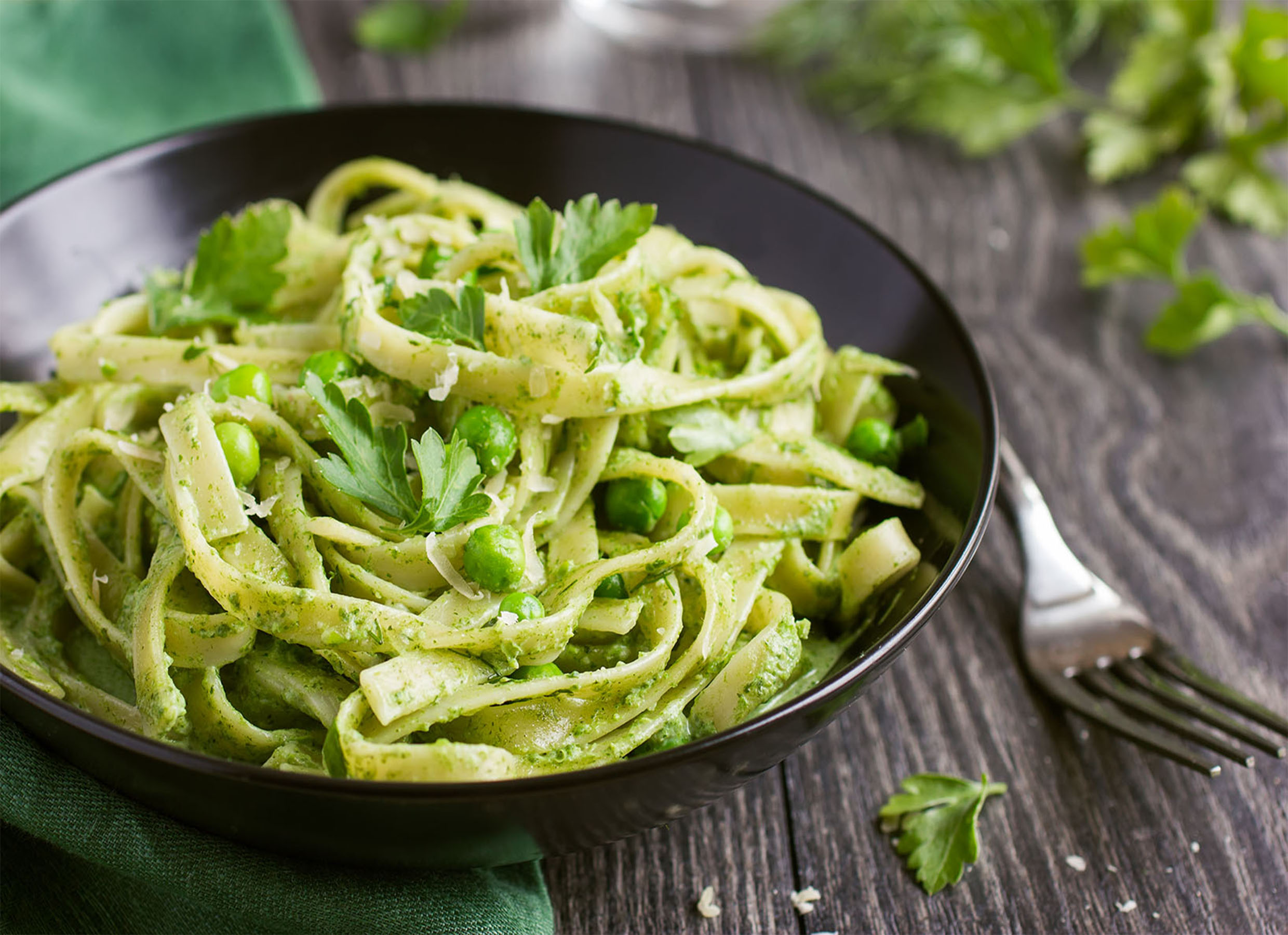
Spaghetti, also known as spaghetti, is the closest thing to Chinese eating habits in a Western meal. There are many types of spaghetti, each with its own name and length, and the hollow type is called macaroni by some Chinese speakers.
Regarding the origin of spaghetti, some say it originated in ancient Rome, and some say it was spread from China to the whole of Europe via Sicily by Marco Polo. As the legal raw material of pasta, durum wheat is the hardest wheat variety, with high density, high protein, high gluten and other characteristics.
There are also different shapes of pasta according to the type. In addition to ordinary straight powder, there are thousands of types of screw, elbow, butterfly, hollow, and shell.
The world of pasta is like an ever-changing kaleidoscope. There are said to be at least 500 kinds of them. Coupled with the combination of sauces, thousands of kinds of pasta can be made, which is the characteristic staple food of Italy.
The origin of pasta is simply to say that some people claim that it originated in China, brought back to Italy by Marco Polo, and then spread throughout Europe.
Some people also maintain that: in order to solve the problem of large population and difficult food preservation, the Roman Empire came up with a clever plan of kneading flour into balls, rolling them into pancakes, and then cutting them into strips and drying them, thus inventing the famous food that has endured through the ages - PASTA ( spaghetti).
The earliest pasta was formed around the 13th to 14th centuries AD, and it is most similar to the pasta we eat in the 21st century. After the Renaissance, the types of pasta and sauces were gradually enriched with art.
The original pasta was kneaded, cut, and dried in this way. When eating, it was cooked in an oven with meat and vegetables. Therefore, in the streets and squares of many cities on the Italian peninsula, noodles can be stretched and dried everywhere. people. It is said that the longest noodles are 800 meters long. However, since pasta was originally a product of coping with food shortages, most of the people who favored it were the poor, but its delicious taste soon became irresistible to all classes.
Pasta tasted with juice and water, which was quite inconvenient. In the early days, people grabbed it with their fingers, and after eating, they licked the ten fingers dipped in the juice.
In the 2013 World Noodle Conference, there were as many as 27 participating countries. In the famous "July 4th Big Eater" contest in New York, USA, the spaghetti contest has become a reserved program. In the 2013 competition, nine contestants swallowed 16.2 kilograms of noodles in just 8 minutes, with an average of 1.8 kilograms per person; today, pasta can be found in more than 100 countries in the world, even in the world. You can also smell its aroma from outside - spaghetti is on the list of recipes for the International Space Station.
Regarding the origin of spaghetti, some say it originated in ancient Rome, and some say it was spread from China to the whole of Europe via Sicily by Marco Polo. As the legal raw material of pasta, durum wheat is the hardest wheat variety, with high density, high protein, high gluten and other characteristics.
There are also different shapes of pasta according to the type. In addition to ordinary straight powder, there are thousands of types of screw, elbow, butterfly, hollow, and shell.
The world of pasta is like an ever-changing kaleidoscope. There are said to be at least 500 kinds of them. Coupled with the combination of sauces, thousands of kinds of pasta can be made, which is the characteristic staple food of Italy.
The origin of pasta is simply to say that some people claim that it originated in China, brought back to Italy by Marco Polo, and then spread throughout Europe.
Some people also maintain that: in order to solve the problem of large population and difficult food preservation, the Roman Empire came up with a clever plan of kneading flour into balls, rolling them into pancakes, and then cutting them into strips and drying them, thus inventing the famous food that has endured through the ages - PASTA ( spaghetti).
The earliest pasta was formed around the 13th to 14th centuries AD, and it is most similar to the pasta we eat in the 21st century. After the Renaissance, the types of pasta and sauces were gradually enriched with art.
The original pasta was kneaded, cut, and dried in this way. When eating, it was cooked in an oven with meat and vegetables. Therefore, in the streets and squares of many cities on the Italian peninsula, noodles can be stretched and dried everywhere. people. It is said that the longest noodles are 800 meters long. However, since pasta was originally a product of coping with food shortages, most of the people who favored it were the poor, but its delicious taste soon became irresistible to all classes.
Pasta tasted with juice and water, which was quite inconvenient. In the early days, people grabbed it with their fingers, and after eating, they licked the ten fingers dipped in the juice.
In the 2013 World Noodle Conference, there were as many as 27 participating countries. In the famous "July 4th Big Eater" contest in New York, USA, the spaghetti contest has become a reserved program. In the 2013 competition, nine contestants swallowed 16.2 kilograms of noodles in just 8 minutes, with an average of 1.8 kilograms per person; today, pasta can be found in more than 100 countries in the world, even in the world. You can also smell its aroma from outside - spaghetti is on the list of recipes for the International Space Station.
Organic millet
Why Tastell